

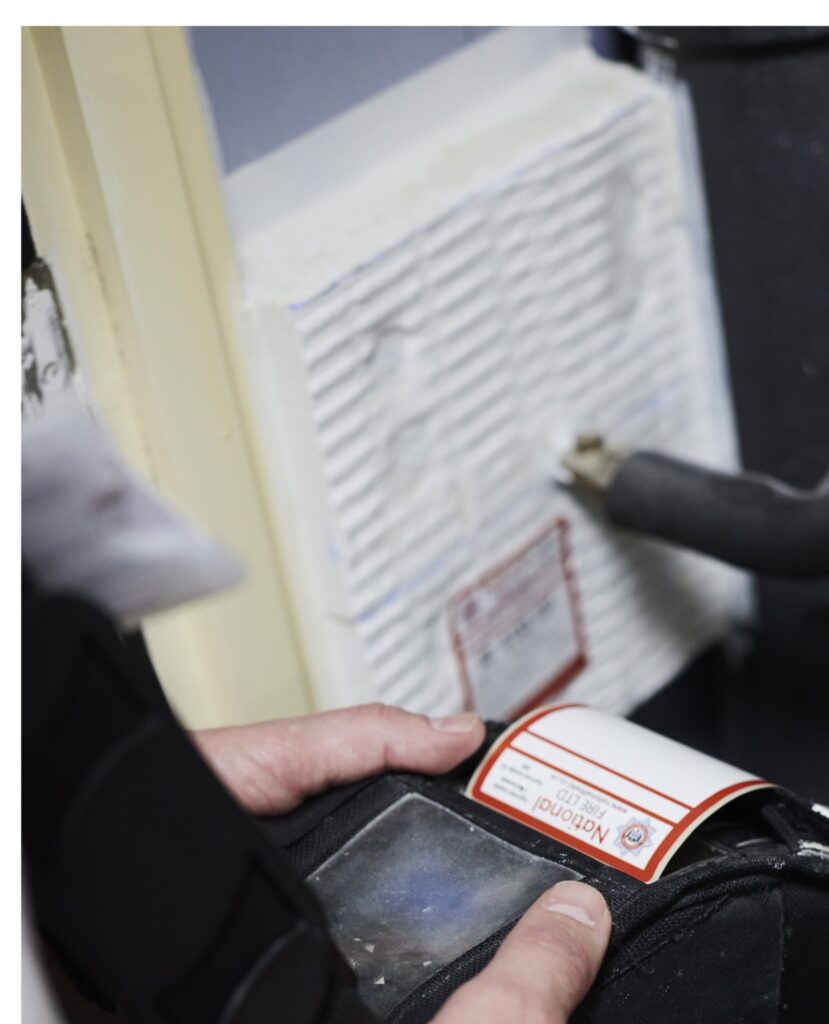
The Fire Door Inspection Scheme revealed in 2022 that 75% of all fire doors they inspected failed to meet the necessary safety standards. A significant portion of these failures stemmed from a poorly maintained or incorrectly specified fire seal. For those responsible for commercial premises, this data highlights a critical vulnerability in many fire safety strategies and a potential breach of the Regulatory Reform (Fire Safety) Order 2005.
You’re likely aware that maintaining compliance is a continuous responsibility, but the conflicting advice from generalist contractors often makes technical ratings like FD30 and FD60 feel inaccessible. We’ll provide the professional reassurance and technical clarity you need to protect your occupants and your assets. This guide ensures you’ll master the statutory requirements and installation standards necessary for full regulatory compliance.
We’ll detail the specific functions of intumescent strips and the requirements of BS 8214. You’ll learn the precise steps needed to secure long-term peace of mind for your property.
Key Takeaways
- Understand the critical role of intumescent technology in maintaining compartmentation and preventing the spread of life-threatening smoke and flames.
- Master the selection process to ensure your chosen fire seal is perfectly matched to your specific door leaf and frame materials for statutory compliance.
- Navigate complex UK safety regulations, including BS 476-22 and BS EN 1634-1, to ensure your property meets the highest standards of technical excellence.
- Identify common installation and maintenance errors, such as over-painting, that could lead to failure during a professional fire compartmentation survey.
- Learn how to leverage accredited expertise to mitigate risk and achieve total peace of mind through a methodical approach to fire stopping.
What is a Fire Seal and Why is it Critical for Passive Fire Protection?
A What is a Fire Seal (Firestop)? is a critical component of any building’s passive fire safety strategy. It’s an intumescent strip designed to maintain the fire-resisting capabilities of door sets and service penetrations. While active systems like sprinklers respond to a fire in progress, the fire seal provides a permanent, reliable barrier that functions without human intervention or power sources. This reliability is why we consider passive protection the bedrock of building safety. It ensures that the structural integrity of a room remains intact, providing occupants with the time needed to evacuate safely.
Under the Regulatory Reform (Fire Safety) Order 2005, building owners must mitigate risks through robust compartmentation. This involves dividing a building into fire cells to prevent the spread of fire and toxic gases. A 2023 report by the Fire Door Inspection Scheme (FDIS) revealed that 75% of fire doors they inspected failed to meet the required standards, often due to missing or incorrectly installed seals. It’s a common mistake to confuse these with standard draught-proofing strips. While a draught strip keeps out wind, it offers zero protection against heat. In contrast, a certified fire seal is a bespoke safety product tested to BS 476-22 or EN 1634-1 standards.
- Durability: Standard rubber strips perish quickly; fire seals are built for long-term compliance.
- Activation: Fire seals only perform their primary function when temperatures reach critical levels.
- Certification: Every seal we provide is backed by accredited testing to ensure statutory compliance.
- Purpose: Draught strips focus on comfort; fire seals focus on the preservation of life.
The Science of Intumescence: How Fire Seals React
Intumescence is the process where a substance increases in volume and decreases in density when heated. When the temperature at the door edge reaches approximately 200°C, the chemical core, often graphite or sodium silicate, activates. It expands rapidly to fill the gap between the door leaf and the frame. This expansion creates a hard, non-combustible char that blocks the passage of fire for a designated period, typically 30 or 60 minutes. This physical barrier provides the peace of mind that occupants have a protected route to safety.
Fire Seals vs. Smoke Seals: Understanding the Distinction
Fire-only seals are designed to stop flames once the heat is intense enough to trigger expansion. However, they may allow cold smoke to bypass the door in the early stages of a fire. Statistics from the Home Office show that smoke inhalation caused 41% of fire-related deaths in England during the 2022-23 reporting period. To address this, UK building regulations often mandate fire and smoke seals, which incorporate a brush or flipper. These are essential on escape routes to prevent lethal gases from entering corridors before the intumescent material has even begun to expand.
Types of Fire Seals: Selecting the Right Solution for Your Facility
Selecting the correct fire seal requires a methodical assessment of your building’s specific architectural requirements. We categorise these essential safety components into three primary applications: fire doors, service penetrations where utilities breach a compartment wall, and structural expansion joints. Each application demands a precise chemical composition to function effectively. For example, a seal designed for a timber door must account for the natural movement of organic material, whereas steel frame applications focus on mitigating rapid heat conduction through the metal. National Fire Ltd ensures every installation aligns with the building’s bespoke fire strategy drawings. These blueprints provide the necessary context for complex commercial layouts, ensuring every fire seal matches the required period of fire resistance specified in the UK Compliance Standards.
Environmental factors also dictate the longevity of your protection. In high-traffic corridors, such as those in a Grade II listed hospital where doors might cycle 500 times daily, a standard seal will fail prematurely due to mechanical wear. You’ve got to specify high-durability polymer variants in these instances. Similarly, damp environments like basement plant rooms or leisure centres require moisture-resistant intumescent materials. This prevents the seal from degrading or losing its reactive properties over its typical 10-year life cycle. Using the wrong material in a humid environment can lead to a 25% reduction in expansion effectiveness during a fire event.
Rebated vs. Surface-Mounted Fire Seals
Professional installers prioritise rebated seals for new fire door fitting. These are fitted into a 10mm or 15mm pre-cut groove within the door leaf or frame. This method provides a flush finish that protects the intumescent material from physical impact and cleaning chemicals. Surface-mounted seals are typically reserved for remedial works on existing 44mm or 54mm doors where rebating might compromise the door’s structural integrity. While surface-mounted options are faster to install, they often suffer from reduced durability in busy commercial settings and require more frequent inspections to ensure they haven’t become detached.
Specialist Seals for Glazing and Hardware
Hardware recesses create inherent vulnerabilities in a timber door’s fire resistance. To mitigate this risk, we install intumescent hinge pads and lock wraps. These are usually 1mm or 2mm thick graphite-based sheets that expand to insulate the metal components, preventing heat from transferring through the door core. Glazing also requires specialist attention; intumescent glazing channels or beads must be used to secure fire-rated glass panels. For modern office environments, acoustic fire seals provide a dual-purpose solution. These units offer up to 40dB of sound insulation while maintaining the integrity of the fire compartment. If you’re unsure about the specific requirements for your hardware, our team can provide a comprehensive fire safety audit to identify any gaps in your protection.
Deciphering Fire Seal Ratings and UK Compliance Standards
Rigorous adherence to UK safety standards ensures that every fire seal performs as expected during a thermal event. In the United Kingdom, two primary testing benchmarks dictate the legality and efficacy of these components: BS 476-22 and the more recent BS EN 1634-1. While BS 476-22 remains a common reference point for many existing buildings, BS EN 1634-1 represents the rigorous European standard now widely adopted for new construction projects. These tests subject a complete door assembly to furnace temperatures exceeding 800 degrees Celsius to observe how the intumescent material reacts under pressure.
Relying solely on manufacturer claims isn’t enough for high-stakes environments. Third-party certification schemes, such as BM TRADA Q-Mark or BSI Kitemark, provide the gold standard for reliability. These bodies conduct regular audits of the manufacturing process and perform independent “audit tests” to verify that the product’s performance is consistent. When you select a certified product, you’re investing in a verified history of safety. Failure to use compliant components can lead to catastrophic outcomes. Non-compliant installations often invalidate building insurance policies and can result in unlimited fines or custodial sentences under the Regulatory Reform (Fire Safety) Order 2005.
FD30 vs. FD60: Comparing Protection Levels
The distinction between FD30 and FD60 ratings is fundamental to building compartmentation strategies. An FD30 rating provides a 30-minute window of protection, which is the standard requirement for most internal office doors and residential flat entrance doors. In contrast, FD60 doors offer 60 minutes of resistance. These are typically mandated for high-risk areas like plant rooms, boiler rooms, and protected stairwells that serve as primary escape routes. The physical dimensions of the fire seal are directly linked to these durations.
| Rating | Protection Time | Typical Seal Width |
|---|---|---|
| FD30 | 30 Minutes | 10mm to 15mm |
| FD60 | 60 Minutes | 20mm (or 2 x 10mm) |
The Importance of Integrity and Insulation Ratings
UK compliance often references ‘E’ and ‘EI’ ratings. An ‘E’ (Integrity) rating measures how long a door prevents the passage of flames and hot gases. An ‘EI’ (Integrity and Insulation) rating goes further by measuring how long the door limits the temperature rise on the non-fire side. This is vital for preventing radiant heat from igniting materials in an adjacent corridor. A fire seal is only effective when it’s part of a ‘tested assembly’. Simply adding a high-quality seal to a standard, non-rated door won’t provide protection. Guidance on Professional Installation and Maintenance from the ASFP highlights that every component must work in unison. Fire seals must always be installed according to the manufacturer’s global assessment to ensure the test evidence remains valid. This disciplined approach ensures that the bespoke safety requirements of your facility are met without compromise.
Professional Installation and Common Maintenance Failures
A fire seal is only as effective as the precision of its installation. While DIY approaches might appear cost-effective, they frequently fail during a professional fire compartmentation survey. Data from the Fire Door Inspection Scheme (FDIS) indicated that 76% of inspected fire doors in 2023 failed to meet the required safety standards. These failures often stem from a fundamental lack of technical understanding regarding how intumescent components react under extreme heat stress.
One of the most prevalent issues identified during our site audits is the over-painting of seals. When decorators apply thick layers of gloss or emulsion over the intumescent strip, they inadvertently create a rigid shell. This shell prevents the material from expanding at its designated activation temperature, which is typically around 150°C. If the material cannot expand to fill the gap between the door leaf and the frame, smoke and flames will bypass the protection entirely. Maintenance teams must ensure that every seal remains clean and free from decorative coatings to maintain its integrity.
Mechanical damage also compromises the safety of a building. High-traffic environments often suffer from crushed brushes on smoke seals or torn rubber flippers. If a seal is peeling away from its rebate due to poor adhesive quality or inadequate surface preparation, it’s no longer fit for purpose. Regular maintenance identifies these degraded components before an official audit, ensuring 24/7 compliance and providing essential peace of mind for building occupants.
Common Installation Errors to Avoid
Precision is vital during the fitting process. Seals cannot bridge gaps that exceed their specific tested limits. For the majority of standard UK door sets, this requires maintaining a consistent gap of 3mm to 4mm. We frequently identify missing seals on the meeting stiles of double doors or across the head of the frame. Using non-compatible sealants is another major risk. Standard DIY silicone lacks the thermal resistance of accredited intumescent products and will fail within minutes of fire exposure.
The Statutory Requirement for Regular Inspections
The Fire Safety (England) Regulations 2022 introduced strict mandates for multi-occupied residential buildings over 11 metres in height. Responsible persons are now legally required to conduct quarterly checks on all fire doors in common parts. At National Fire Ltd, we utilise digital asset tagging to track the maintenance history of every fire seal across a property. This bespoke system provides a transparent, permanent audit trail for every component. A professional survey remains the only definitive way to guarantee that your seals meet the rigorous criteria set out in the Regulatory Reform (Fire Safety) Order 2005.
National Fire Ltd: Your Accredited Partner for Fire Seal Compliance
National Fire Ltd operates with a disciplined, methodical approach to fire stopping and fire door maintenance. We provide nationwide coverage through our strategic hubs in Warwick, London, and Great Yarmouth. This geographical spread ensures we can respond rapidly to the needs of commercial clients across the UK, providing consistent service levels regardless of location. Our teams don’t just install products; they implement engineered safety systems designed to withstand the most rigorous conditions. Every fire seal we install is a testament to our commitment to precision and legal compliance.
Our strategic hubs allow us to maintain a robust supply chain and a mobile workforce of highly trained specialists. We understand that fire safety is a high-stakes responsibility. Our clients rely on us to act as guardians of their property and the lives within them. This responsibility drives our focus on reliability and technical excellence. We operate 24/7 to ensure that safety is never compromised by scheduling conflicts or delayed responses. Our presence in the industry is defined by stability and a calm, competent approach to complex safety challenges.
Commercial clients require the peace of mind that only comes from third-party certification. Our BAFE and BM TRADA accredited installers provide exactly that. These accreditations aren’t mere badges; they’re evidence of our adherence to the highest national standards. By choosing an accredited partner, you ensure that your building meets the requirements of the Regulatory Reform (Fire Safety) Order 2005. We manage the full lifecycle of fire safety. This starts with technical fire strategy drawings and moves through to the execution of remedial works. We provide a seamless transition from identifying a risk to mitigating it entirely.
Bespoke Solutions for Commercial and Industrial Sectors
Bespoke solutions are essential because every building presents unique risks. We tailor specifications for various environments, including high-traffic offices, expansive warehouses, and complex healthcare facilities. In healthcare settings, we ensure compliance with HTM 05-02 standards, focusing on patient safety and evacuation routes. Our expertise extends to specialised areas such as injectable cavity barriers and fire-rated balconies. These modern construction challenges require specific technical knowledge that goes beyond standard door seals. We integrate these elements into a broader passive fire protection strategy, ensuring no weak points remain in your building’s compartmentation.
Request a Comprehensive Fire Compartmentation Survey
Maintaining safety requires a clear and documented baseline. Our fire compartmentation surveys follow a rigorous three-step process. First, we conduct a thorough identification phase to find every breach or failing component. Second, we produce a comprehensive report detailing the status of every fire seal and barrier. Finally, we provide a clear roadmap for remedial action. We use professional floor plan generation to document every compliant area. This digital audit trail is vital for demonstrating due diligence to insurers and local fire authorities. It turns abstract safety requirements into a manageable, documented asset.
Contact National Fire Ltd today for a professional fire compartmentation survey. Our team is ready to help you secure your premises and achieve total peace of mind through professional compliance.
Prioritise Compliance and Protect Your Assets
Maintaining a robust fire safety strategy requires more than high-quality components; it demands a commitment to statutory compliance and meticulous maintenance. A correctly installed fire seal acts as the frontline of your building’s passive fire protection, preventing the spread of smoke and flame during a critical incident. Failing to meet the standards set out in the Regulatory Reform (Fire Safety) Order 2005 can lead to severe legal penalties and, more importantly, put lives at risk. National Fire Ltd provides the authoritative expertise needed to navigate these complex requirements with confidence.
Our team delivers nationwide coverage from strategic hubs in Warwick, London, and Great Yarmouth, ensuring technical excellence is always within reach. As BAFE and BM TRADA accredited installers, we conduct comprehensive fire compartmentation surveys that identify risks before they become failures. We’re dedicated to your peace of mind through disciplined, professional service. Secure your building’s compliance with a professional fire seal survey from National Fire Ltd and ensure your facility remains a safe environment for every occupant.
Frequently Asked Questions
Can I paint over a fire seal or intumescent strip?
You shouldn’t paint over a fire seal as it can hinder the material’s ability to expand during a fire. While some manufacturers allow a maximum of 2 coats of decorative paint, excessive layers can compromise the seal’s integrity. If you find strips with more than 5 coats of paint or visible cracking, they require immediate replacement to maintain compliance with BS 8214 standards.
How often should fire seals be inspected in a commercial building?
Commercial fire seals require inspection at least every 6 months to ensure they remain fit for purpose. For high-traffic areas, such as hospital corridors or school entrances, we recommend monthly checks to identify wear and tear. The Regulatory Reform (Fire Safety) Order 2005 mandates that the Responsible Person ensures all fire safety equipment is maintained in an efficient state and in good repair.
Do I need a fire seal or a smoke seal for my office door?
You typically need a combined fire and smoke seal for office doors to achieve an FD30S rating. While a standard fire seal activates at temperatures exceeding 150°C, a smoke seal prevents the passage of cold smoke at the early stages of a fire. Statistics from the Home Office show that smoke inhalation causes 41% of fire-related fatalities, making smoke seals a vital statutory requirement for escape routes.
What is the difference between an FD30 and an FD60 fire seal?
The primary difference lies in the duration of protection, with FD30 seals providing 30 minutes of resistance and FD60 seals offering 60 minutes. An FD30 strip is usually 10mm or 15mm wide, whereas FD60 seals are typically 20mm wide or used in pairs. These ratings are verified through rigorous testing under BS 476-22 to ensure they withstand intense heat for the specified timeframe.
Can I replace a damaged fire seal myself?
You can replace a damaged fire seal yourself, but you must ensure the replacement matches the exact specification of the original tested door assembly. Incorrect installation or using a 10mm strip where a 15mm strip is required will invalidate the door’s fire certification. We recommend using BAFE-accredited technicians to guarantee that every fire seal is fitted with the precision necessary to meet UK building regulations.
How do I know if my fire seals are still compliant with UK regulations?
Compliance is determined by checking that seals are securely fitted, undamaged, and capable of closing the gap between the door and frame, which should be between 2mm and 4mm. Any signs of peeling, mechanical damage, or missing sections indicate a breach of BS 8214:2016 standards. Our comprehensive fire door surveys provide a documented audit trail, ensuring your building remains fully compliant with the latest statutory requirements.
What happens if a fire door is missing its intumescent strips?
If a fire door is missing its intumescent strips, it will fail to provide the rated 30 or 60 minutes of protection, allowing fire to breach the compartment in as little as 4 minutes. Without a functioning fire seal, the door cannot expand to fill the gaps, leading to the rapid spread of flames and toxic gases. This failure constitutes a serious breach of the Fire Safety Order and carries significant legal liabilities for property owners.
Are there specific fire seals required for double doors?
Double doors require specific seals on the meeting stiles where the two door leaves join, in addition to the head and jambs. Depending on the design, you may need a pair of 10mm seals or a single offset seal to ensure the 3mm gap is fully protected. Our bespoke safety assessments ensure that double door configurations meet the exact requirements specified in the manufacturer’s original fire test evidence.